What Is Turtle Glass? What Florida Homeowners Actually Need to Know
If you own property near the coast in Florida, there’s a good chance turtle glass will come up during your window replacement. Here’s what it is, when you need it, and what it actually looks like — from a team that installs it regularly.
What is Turtle Glass? – The Short Answer
Turtle glass (also known as turtle-safe glass) is a specially tinted or coated glass designed to minimize light pollution from coastal buildings. To be compliant with Florida Building Code Section 3109, the glass must have a Visible Light Transmittance (VLT) of 45% or less. This 45% threshold ensures that interior light stays inside the home, preventing sea turtle hatchlings from becoming disoriented and wandering inland instead of toward the ocean.
Key Specifications of Turtle-Safe Glass
-
VLT Rating: Must achieve an inside-to-outside light transmittance value of 45% or less.
-
Compliance: Meets the standards set by the Florida Model Lighting Ordinance and local coastal building codes.
-
Appearance: Usually features a grey or bronze tint to achieve the required light reduction.
-
Function: Specifically designed to protect endangered sea turtles during nesting season (May 1st – October 31st).
-
Added Value: Provides superior UV protection, reduces solar heat gain, and increases daytime privacy.
How Turtle Glass Actually Works
Regular clear glass and even standard low-E glass allow visible light to pass through freely. At night, this means interior lighting — lamps, TVs, overhead lights — is visible from outside, creating light pollution along the coastline.
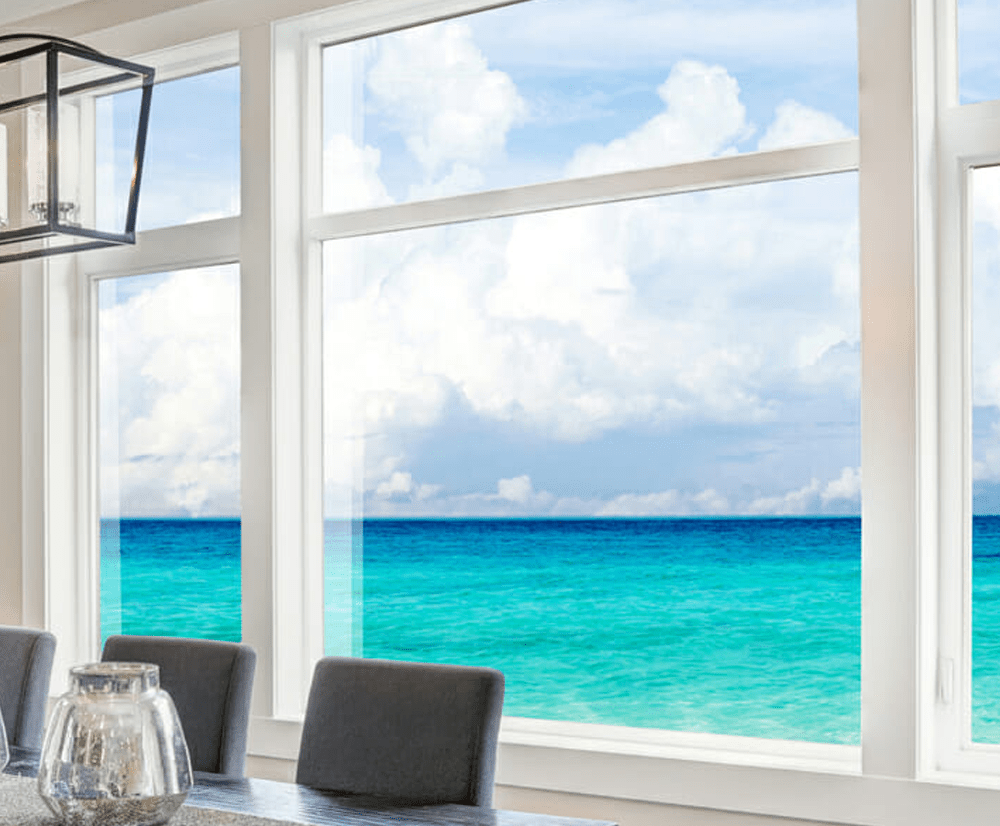
Turtle glass uses a long-wavelength amber tint that filters out the short-wavelength light (white, blue, and green) that disorients sea turtles. The result:
- From outside at night, the windows appear much darker — dramatically reducing visible light pollution
- From inside, you still get natural daylight during the day, though with a warm amber tone
- The view isn’t blocked — you can still see through the glass clearly. It’s a tint, not a blackout
The most common question we hear: “Will my view look orange?” The honest answer is that turtle glass does have a noticeable warm tint compared to clear glass. During the day, most homeowners adjust to it quickly. At night, it’s actually a benefit — the warm tone is easier on the eyes and reduces glare.
Can You Get Turtle Glass With Impact-Rated Windows?
Yes — and for most coastal Florida homeowners, this is exactly what you need.
If your property is in a hurricane zone (which covers nearly all of coastal Florida) AND in a turtle lighting zone, you’ll need windows that meet both requirements: impact-rated for storm protection and turtle-compliant for FWC lighting regulations.
At A1 Windows & Doors, this is one of our specialties. We install impact-rated turtle glass regularly for homeowners along Florida’s Gulf Coast. The windows meet Miami-Dade hurricane impact standards and FWC turtle lighting requirements simultaneously — so you’re covered on both fronts with a single product.
This is an important distinction because some contractors treat these as two separate problems. They aren’t. The right window handles both.
A Real Turtle Glass Project: What It Looks Like
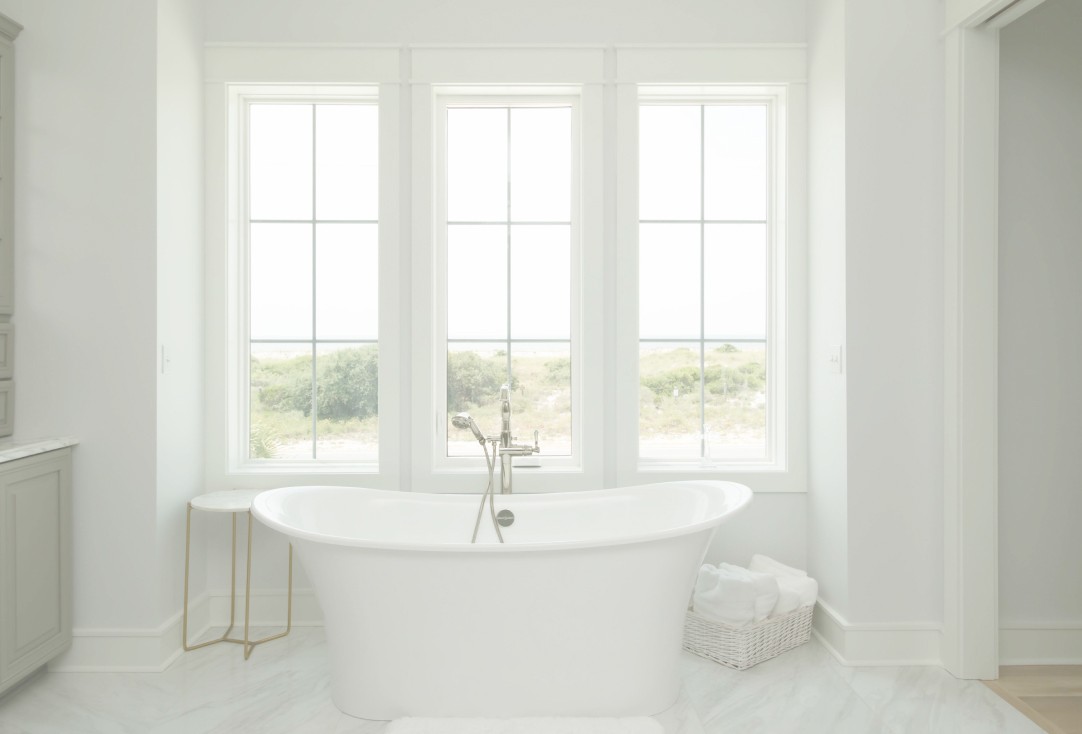
We recently completed a turtle glass installation at a coastal property in the Tampa Bay area. The homeowner needed full window replacement and was required to use turtle-compliant glass due to the property’s proximity to an active nesting beach.
Here’s what the project involved:
- Full-home window replacement with impact-rated turtle glass
- Every window facing the water was replaced with FWC-compliant amber-tinted laminated glass
- Side and rear windows were also upgraded to impact glass for whole-home hurricane protection
- AAMA-certified installation — every window was installed to meet both Florida building code and FWC requirements
The homeowner’s main concern going in was the tint — they didn’t want to lose their view. After installation, they said the warm tone was barely noticeable during the day and actually preferred it at night.
When Does Florida Require Turtle Glass?
Florida’s turtle lighting regulations are enforced at the county and municipal level, based on FWC guidelines. Here’s what determines whether you need it:
You likely need turtle glass if:
- Your property is on a barrier island or directly on the coast
- You’re within a designated “Marine Turtle Protection Zone” (varies by county)
- Your home’s windows or sliding glass doors have a direct line of sight to the beach
- You’re doing new construction or a full window replacement in a coastal zone
Counties in the Tampa Bay area with turtle lighting regulations include:
- Pinellas County
- Hillsborough County (coastal areas)
- Manatee County
- Sarasota County
- Pasco County (limited coastal areas)
Regulations typically apply during nesting season (May 1 – October 31), but many counties require turtle-compliant fixtures and glass to be installed year-round, because the windows are permanent.
How to find out if you need it:
The simplest way is to ask your window contractor. At A1, we check your property’s location against the FWC lighting zone maps during every coastal consultation. If turtle glass is required, we’ll let you know upfront — and if it’s not, we won’t upsell you on it.
Turtle Glass vs. Other Light-Reduction Options
Turtle glass isn’t the only way to reduce light pollution from coastal properties. Here’s how it compares:
Blackout curtains or blinds
- Block light effectively, but require manual use every night during nesting season
- Don’t help if someone forgets to close them
- Not always accepted by local code enforcement as a permanent solution
Exterior shielding or louvers
- Can work for some fixtures, but difficult to apply to large windows
- May obstruct views or affect the look of the building
Film or aftermarket tint
- Cheaper than full replacement, but may not meet FWC specifications
- Can void window warranties
- Doesn’t combine with impact rating
Turtle glass (factory-installed)
- Built into the window — permanent, no maintenance, no human error
- Meets FWC specifications when certified
- Available in impact-rated configurations
- The only option that solves hurricane protection and turtle compliance in one product
For most Florida coastal homeowners doing a window replacement, factory-installed turtle glass is the cleanest solution.
Does my Florida home require Turtle Glass?
If you are building a new home or replacing windows in a “coastal zone”—typically defined as being within 300 feet of the beach—Florida law requires the use of turtle-compliant glass. At A1 Windows & Doors, we ensure all our coastal installations meet these strict VLT requirements to keep you in compliance with local ordinances.
What Turtle Glass Costs
Turtle glass adds a modest premium over standard clear or low-E impact glass — typically in the range of 10–15% more per window, depending on the manufacturer and configuration. For a full-home replacement, the added cost is usually offset by the fact that you’re meeting both hurricane and FWC requirements with a single product instead of needing separate solutions.
We provide exact pricing during your free consultation based on window sizes, styles, and the number of openings. Read our full guide on impact window pricing in Florida
The Bottom Line
If you’re replacing windows on a coastal Florida property, turtle glass is likely either required or strongly recommended. It’s not complicated — it’s just impact glass with an amber tint that keeps light from reaching the beach at night. The right installer will know exactly what your property needs and handle the compliance side for you.
At A1 Windows & Doors, we’ve been installing windows in the Tampa Bay area since 1977. Our team holds the AAMA Certified InstallationMasters designation — the highest certification in the window installation industry.
If you’re on the coast and need turtle-compliant impact windows, we’ll walk you through it.
Contact us today to learn more about turtle glass and how it can benefit both your home and the environment.



Why choose a1 windows & doors?
 Complete & thorough installation
AAMA Certified InstallationMasters®
Owner operated since 1977
Low pressure consultation
We deliver peace of mind!
Unparalleled honesty and integrity
Complete & thorough installation
AAMA Certified InstallationMasters®
Owner operated since 1977
Low pressure consultation
We deliver peace of mind!
Unparalleled honesty and integrity